


Blog / Salem GMC Service

Blog

All Salem GMC Service Salem GMC Dealer Things to do in Salem VA Hart Motors GMC Service Car Maintenance Tips Places to Eat in Salem VA

Genuine GMC Accessories: Personalize Your Vehicle

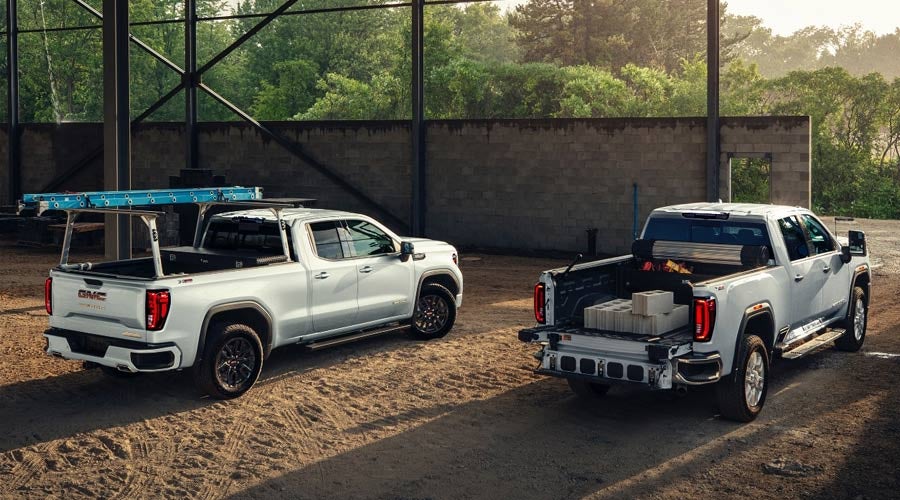
Image via GMC Using genuine GMC accessories will boost the value you receive out of your vehicle. Because these accessories are endorsed by the manufacturer, you know they meet the same quality guidelines as your favorite trucks and SUVs. Keep reading to learn about some of the best accessories available for your GMC. more Genuine GMC Accessories Assist Steps and Running Boards You'll need to stop by with your GMC to check the fitment for the various assist steps and running boards we keep in stock. They're designed to maintain a factory appearance so that you get the benefit of being able to get in and out of your GMC easily without detracting from its stylish exterior. We also carry rocker panel guards which provide a subtle enhancement to the edges of your GMC while also protecting the rocker panels from rock chips and other damage. Exterior Decals and emblems are some of the simplest yet impactful ways you can personalize your GMC's exterior. When you visit our dealership, you'll find front grille and tailgate emblems in black and red as well as some that are illuminated. We also offer side emblems in a range of attractive color options, such as Tech Bronze and Performance Red. Other exterior accessories include: Fender flares Accent lighting Grilles Deflectors Lamp alternatives Interior Cargo Management Between the updated consoles, under-seat storage, and cargo bed organizers, there's a wide array of accessories to help you keep everything inside your GMC secure and out of the way. Nearly all of the interior cargo accessories are designed to fit specific models to maintain a factory look. Additional interior cargo management accessories include: Cupholders Cargo nets Cargo shelves Cargo shades Exterior Cargo Management Hitch carriers and roof racks are among the most popular exterior accessories found at our GMC dealership. The Thule ski carrier is perfect for anyone driving to the slopes, while the variety of available bike racks will come in handy when the mountains thaw out. We also carry Thule roof-mounted cargo boxes where you can store more luggage to free up interior space. Floor and Interior Protection Flooring Protection We offer floor mats and liners constructed from plush carpeting as well as resilient all-weather materials. All of our protective mats and liners are vehicle-specific so you get a tailored fit, and most are available for every row of seating. To protect the floor of the cargo area, we also offer heavy-duty liners that can protect the factory flooring material from scratches and spills. Seating Protection Carhartt is one of the primary brands producing attractive, heavy-duty seat covers for GMC vehicles. Most seat covers are available in a dark grey or the traditional Carhartt light brown color. Additionally, Carhartt makes seat covers for every row of seating. Accessorizing your GMC allows you to showcase your personal taste as well as boost the functionality of your vehicle. To discover more GMC accessories and see how they fit on your vehicle, visit Hart Motors GMC in Salem, VA.
What's Covered By a Standard GMC Car Warranty?

A new car warranty acts as a guarantee from your car manufacturer so you can have protection from repairs related to mechanical defects. When you purchase a vehicle from your GMC dealer, you will automatically gain access to a collection of standard warranty plans. Learn more about these specific plans and limitations today. more Ask Your GMC Dealer: What's Covered By a Standard GMC Car Warranty? Your new car GMC warranty will provide comprehensive coverage for virtually all vehicle components with a basic bumper-to-bumper warranty. This level of comprehensive coverage lasts for 36,000 miles or up to three years. Most parts of your vehicle that are damaged by defects will be covered by this warranty. This warranty will also cover towing fees to your local dealership for repairs. Other coverages included in your standard warranty include: Powertrain Limited Warranty Coverage for your powertrain will last for 60,000 miles or five years. For certain heavy duty models, the powertrain warranty will last for 100,000 miles or up to five years. Specific powertrain components covered by this warranty include the transmission, drive systems, engine, and transfer case. This warranty does not cover parts such as hoses, connectors, sensors, or the clutch. Corrosion Protection GMC offers corrosion protection for the outside panels of your vehicle for 36,000 miles or three years. To maintain this warranty, you should refrain from using materials or products that may cause rust on the vehicle. Rust-Through Protection GMC also provides rust-through protection for 100,000 miles or as long as six years. This particular warranty is an automatic extension of the corrosion protection warranty. Under the rust-through protection warranty, repairs for holes in the body panels of the vehicle caused by rust will be covered. First Maintenance Appointment Unlike many other car manufacturers, GMC will cover the cost of a new vehicle's first maintenance appointment, which should take place during the first year of vehicle ownership. The first maintenance appointment will include services such as a vehicle inspection, tire rotation, and oil change, among other routine maintenance tasks. Roadside Assistance For peace of mind on the road, your new GMC also comes with 100,000 miles or five years of complimentary roadside assistance. Roadside assistance is a key resource if you get a flat or experience a mechanical breakdown on the road. What About Protection Plans? In addition to the standard warranty that comes with your new GMC, you may also want to purchase a protection plan from your dealership. Protection plans such as GAP Coverage, Pre-Paid Maintenance, Appearance Guard, and Tire & Wheel Protection can fill in coverage gaps so you can customize the level of protection your GMC has. The GMC standard warranty includes several coverages, which can greatly reduce the cost of covered vehicle repairs. Gain more insight about your warranty protection when you speak with the finance experts at Hart Motors GMC in Salem, VA.
5 Signs Your GMC Vehicle Needs New Headlights

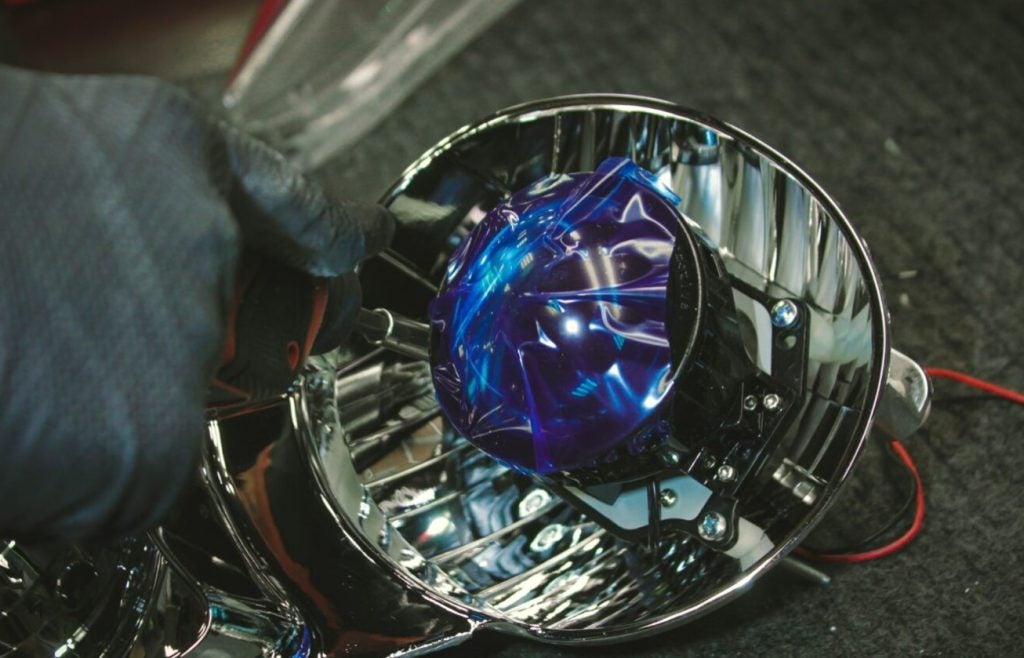
We all know how important good headlights are on a vehicle, and while a light that's completely obviously means you need new headlights, there are also some other signs to watch for. Noticing these will let you get a jump on things before the light actually dies, and your GMC dealer can help you find just the right headlights for your vehicle and driving needs. more 5 Signs You Need New Headlights From Your GMC Dealer Dimming or Flickering Lights One of the most obvious signs that your vehicle's headlights need replacing is when they begin to dim or flicker. Dimming headlights can significantly reduce your visibility at night, even though it can be hard to notice at first. The main way to tell will be that it just seems harder to see at night, or you feel like you're using your brights more than you used to. Don't just flip on your high beams to deal with this, either. They're not meant for normal driving conditions and shouldn't be used all the time. Meanwhile, flickering lights are a sign of an unstable power supply to the headlights, indicating potential electrical issues or the end of the bulb's lifespan. Uneven Illumination If you notice that one headlight is brighter than the other, it's a clear sign that the dimmer headlight needs attention. Uneven illumination not only affects your visibility but can also be distracting to other drivers or even confuse them about what's coming at them. Since bulbs are usually installed in pairs, if one needs to be replaced, it's usually best to just do them both. Changes in Light Color Pay attention to any changes in the color of your headlights. If they start to appear yellow or less white than they used to be, this is a sign of aging. Older bulbs can lose their intensity and clarity, which can significantly impact their effectiveness. Visible Damage to the Headlight Lens Physical damage to the headlight lens, such as cracks, chips, or fogging, can affect the brightness and direction of the headlight beam. This damage can allow moisture to enter the headlight, too, potentially shortening the life of the bulb. Warning Lights on the Dashboard Some modern vehicles have dashboard indicators specifically for headlight issues. If a headlight warning light appears on your dashboard, it's an immediate sign that you need to check your headlights and might need to replace them. Typically, the issue is electrical rather than something wrong with the bulb here, so be sure to take it to the dealership for a good look. If you notice any of these signs, don't wait to be left in the dark. Come talk to us at Hart Motors GMC, and we'll make sure you're safe on the road.

When Was Your GMC Vehicle's Last Oil Change?

Your GMC is strong and reliable, but to keep it in top condition, you have to maintain it. One of the most critical pieces of routine maintenance is the humble oil change. You might wonder just how often you need to visit the GMC dealership for this essential service. more How Often Should You Change Your Oil? The best place to start is your GMC's owner's manual. Modern GMC vehicles, especially those using synthetic oil, typically require fresh oil every 5,000 to 7,500 miles.However, if you're still using conventional oil, the interval might be more in the range of 3,000 to 5,000 miles. Your driving habits also play a significant role in how often your oil needs changing. If you frequently drive in challenging conditions like extreme temperatures, on rough roads, or in heavy traffic, your engine will be working harder and may require fresh oil more frequently. Signs That It's Time for an Oil Change Oil Indicator Light Most newer GMC models are equipped with an oil life monitoring system. When it's time to change your oil, this system will alert you with an indicator light on your dashboard, which is a straightforward reminder to schedule that oil service. Dirty or Dark Oil Regularly checking your oil using the dipstick can tell you a lot about its condition. Fresh, clean oil should be amber and somewhat transparent. If it's turned dark and gritty, it's a sign that your oil is old and needs a refresh. Engine Noise and Knocking Oil acts as a protective barrier for your engine's moving parts. If the oil is too old or too low, you might notice increased noise or even a knocking sound coming from your engine. The Consequences of Skipping Oil Service at the GMC Dealership Engine Damage If not changed regularly, the oil in your engine can break down to the point that it no longer does its job. As your oil becomes contaminated with dirt and debris, friction in your engine will increase, potentially leading to expensive damage or even engine failure. Sludge Build-Up Old oil can turn into sludge, clogging your engine and hindering its performance. This sludge buildup restricts the flow of oil, meaning even once you add fresh oil it may not be able to reach the places it is needed the most. If it's been a while since your last oil service, or if you're noticing any signs of trouble, a visit to your locale dealership is in order. We can provide a professional service to help ensure your GMC is well-prepared for all the journeys ahead. Call Hart Motors GMC to schedule your oil service today.

4 Benefits of Getting a Tire Rotation at Your GMC Dealer

Regular vehicle maintenance isn't just about keeping your car running smoothly. It's an investment in safety and efficiency that can actually save you money in the long run. One often overlooked service that ticks all these boxes is tire rotation. Taking your vehicle back to the GMC dealer for this simple service has a range of benefits you might not expect. more 4 Benefits of Getting a Tire Rotation at Your GMC Dealer 1. Your Tires Can Wear Evenly The tires on your GMC don't wear evenly by default. The front tires usually bear more of the vehicle's weight and are responsible for steering, which often leads to them wearing out faster than the rear ones. Moving your tires from one position on your vehicle to another is called rotating them, and it helps ensure that wear is distributed more evenly across all four tires. This can help maintain the handling and traction your GMC was designed to deliver. 2. Longer Tire Life When your tires wear evenly, they last longer: it's as simple as that. If you let your tires go too long without rotation, they may wear out in one specific place, meaning you may find yourself replacing them much sooner than necessary. Purchasing new tires is not only a significant expense, but it's a serious hassle. Taking care of the tires you have allows you to go longer between replacements. 3. Improved Safety The safety benefits of rotating your tires are clear and critical. Unevenly worn tires can lead to decreased grip on the road, especially in wet and slippery conditions, making it harder to stop quickly or navigate sharp corners. Even wear helps to maintain the handling you need to drive safely. Additionally, poorly maintained tires are more prone to blowouts, which can be dangerous at high speeds. When you take your vehicle to the dealership, we'll rotate the tires and check their overall condition, including tread depth and any potential damage. 4. You Can Save Money Rotating your tires on a regular schedule can actually save you money over time. With evenly worn tires, you won't need to replace them as frequently, but the savings don't stop there. Well-maintained tires can also help improve your GMC's fuel efficiency. Regularly rotating your tires at the dealership is an easy way to care for your vehicle that pays off in the long run. Not only do you ensure even wear on your tire set, but you also maintain the performance and safety of your vehicle. Next time you're due to rotate those tires, call Hart Motors GMC to keep that rubber rolling smoothly.

Does Your GMC Vehicle Need a New Car Battery?

You should be stopping by the GMC dealer at least once a year for checkups and tune-ups on your car or truck. Every couple of years, the technicians at the dealership will recommend you get a new car battery during your regular service. Sometimes your battery will fail before your next service, though, and we'd like to talk to you about what happens when the battery needs replacing. more Does Your GMC Vehicle Need a New Car Battery? Things To Look Out For Your GMC Dealer Recommends It You might not be having any battery issues, but if your dealer recommends you replace the battery anyway, then it's a good idea to follow that recommendation. Factory-trained GMC technicians know that the batteries in GMC cars and trucks should be replaced every 3 to 5 years, and it's better to replace the battery before it fails. Your Engine Is Starting Slowly When your engine stops turning over as quickly as it used to, then your battery is telling you that it's getting ready to fail completely. Pretty soon, there'll come a time when your engine just won't turn over at all. You may be able to breathe some life back into your battery by jumpstarting it, but eventually, even that won't bring your battery back to life. Your Headlights Stop Working If your headlights aren't working anymore, then it doesn't necessarily mean you need new bulbs. Battery issues could actually be causing your headlight problems. Your battery is what powers the headlights, so when they get dim or they stop working completely, then your battery might be having problems powering everything that it needs to. You might notice that other electrical components get slow or stop working, too. Your Battery Is Leaking Gas Never ignore weird smells in your cabin, as sometimes they're caused by something going wrong under the hood. Damaged batteries will sometimes leak gas, and this gas smells like rotten eggs. The odor might penetrate the cabin, or you might not notice it until you pop the hood. Either way, it's a very bad sign, and your leaky battery needs to be replaced ASAP. Your Check Engine or Battery Light Is On Keep an eye on the dash for symbols telling you something's wrong under the hood. A rectangle with minus and plus signs might show up, indicating a problem with the battery. You might also spot an engine-shaped graphic, indicating there's an engine issue impacting your battery. A faulty alternator, for example, can cause battery performance issues. Stop by Hart Motors GMC any time you notice one of the issues above cropping up in your car or truck. Our factory-trained technicians will take a look under the hood, replace the battery if needed, and fix anything else that's not working as it should.

5 Car Maintenance Tips to Keep Your GMC Vehicle in Great Shape

Proper car maintenance is essential if you want to keep your car, truck, or SUV in top condition. But maintaining your car doesn't have to be difficult or time-consuming. It's just a matter of paying attention to how your vehicle operates and following the service schedule recommended by your local GMC dealer. more 5 Car Maintenance Tips From your GMC Dealer 1. Keep an Eye on the Battery There's nothing more frustrating than being stranded by an old, dead battery. You can avoid this inconvenience by keeping tabs on the age and vitality of your battery and replacing it before it dies. Clean off any white residue you see building up on the battery. And if your battery is older than three years, have one of our technicians test it occasionally to make sure it's holding as much of a charge as it should. 2. Pay Attention to Dashboard Warning Lights If any of the warning lights on your dashboard light up, schedule a service appointment for your vehicle soon so that we can check things out. These lights are a sign that some part of your vehicle is not functioning as it should. One of our certified technicians can diagnose and repair the problem. 3. Keep Automotive Fluids Topped Off Your vehicle relies on several fluids to keep it lubricated and cool. Motor oil, power steering fluid, transmission and brake fluid, and coolant are all essential and need to be maintained at proper levels. Try to check these fluid levels once a month and top them off if necessary. If you schedule an oil change with our service department, we'll check all of your automotive fluids as part of that appointment. 4. Routinely Replace Your Filters Three filters on your car support the performance of your engine. The air and oil filters clean the air flowing into your engine and the oil being used, and the fuel filter keeps impurities out of the fuel your car runs on. Replacing those filters at the intervals recommended for your particular model keeps your vehicle's performance high. During your service appointments, we'll check the condition of your filters and recommend replacing them if it's time. 5. Investigate Unusual Odors, Noises After you've driven your vehicle for a few weeks, you'll become accustomed to the way it handles and will develop an understanding of what's normal. Once you've learned the vehicle, be sure to take note of any new or unusual noises or odors that develop. These changes could be a sign that something is wrong and should be taken as a signal that it's time to schedule a service appointment. Keeping your car in good condition allows you to enjoy every mile behind the wheel. When you're ready to book your next service appointment, call Hart Motors GMC.

Time for New Tires? Visit Your GMC Dealer Today

Image via Shutterstock It's important to look after the tires of your car. Not only does the condition of your tires affect your safety, but it also impacts overall vehicle performance and even maintenance costs. Here are a few key indications that it's time to visit your local GMC dealer for a set of new tires. more Excessively Uneven Tires Car tires wear down unevenly for a number of reasons. The different weights and pressures at either end of the vehicle are a major cause of uneven tire wear. Sometimes underlying problems like misaligned wheels or improper tire inflation can make the problem worse. If your tires are slightly uneven, you can probably resolve the problem by having them rotated. But when a set of tires has become excessively uneven, it might be too late for rotation. With uneven tires, your handling will suffer and you'll face an increased risk of blowouts, so it may be best to have them replaced. Worn Down Tire Treads When new, tires typically have a tread depth of around 10/32 or 11/32 of an inch. This steadily wears down over time until the treads become too shallow to maintain proper traction on road surfaces. If your tires reach 2/32 of an inch in depth, it's time to swap them out for new ones. Cracked or Damaged Sidewalls The sidewalls of tires should be regularly inspected for signs of wear or damage. Tire rubber can slowly become dried out and degraded by exposure to UV rays in sunlight, extreme temperatures, or various chemicals on the road. Eventually, this will cause the sidewalls to develop cracks. Too many cracks weaken the rubber, making the tire unstable to drive on. Sometimes impacts with curbs or potholes can also damage tire sidewalls, creating blisters or bulges. This kind of damage also means the tire has to go. Deep Cuts or Gauges A few small cuts in the treads of tires are usually harmless. But if you ever find deep cuts of long gauges, the tire may be in danger of blowing out. Have a trusted technician inspect the damage to see whether it can be repaired. Too Many Years or Miles Have Passed All tires have a recommended lifespan, after which it's safest to replace them with new ones. The time limit on your tire warranty will provide a good indicator of when to replace your tires. Most tires should be replaced before they reach six years of age, and the mileage limit will usually be around 60,000 miles. Visit Hart Motors GMC today to have a new set of tires installed. We're a local full-service dealership offering terrific vehicles, financing, and customer service.

Signs You Need an Alternator Repair at Your GMC Dealer

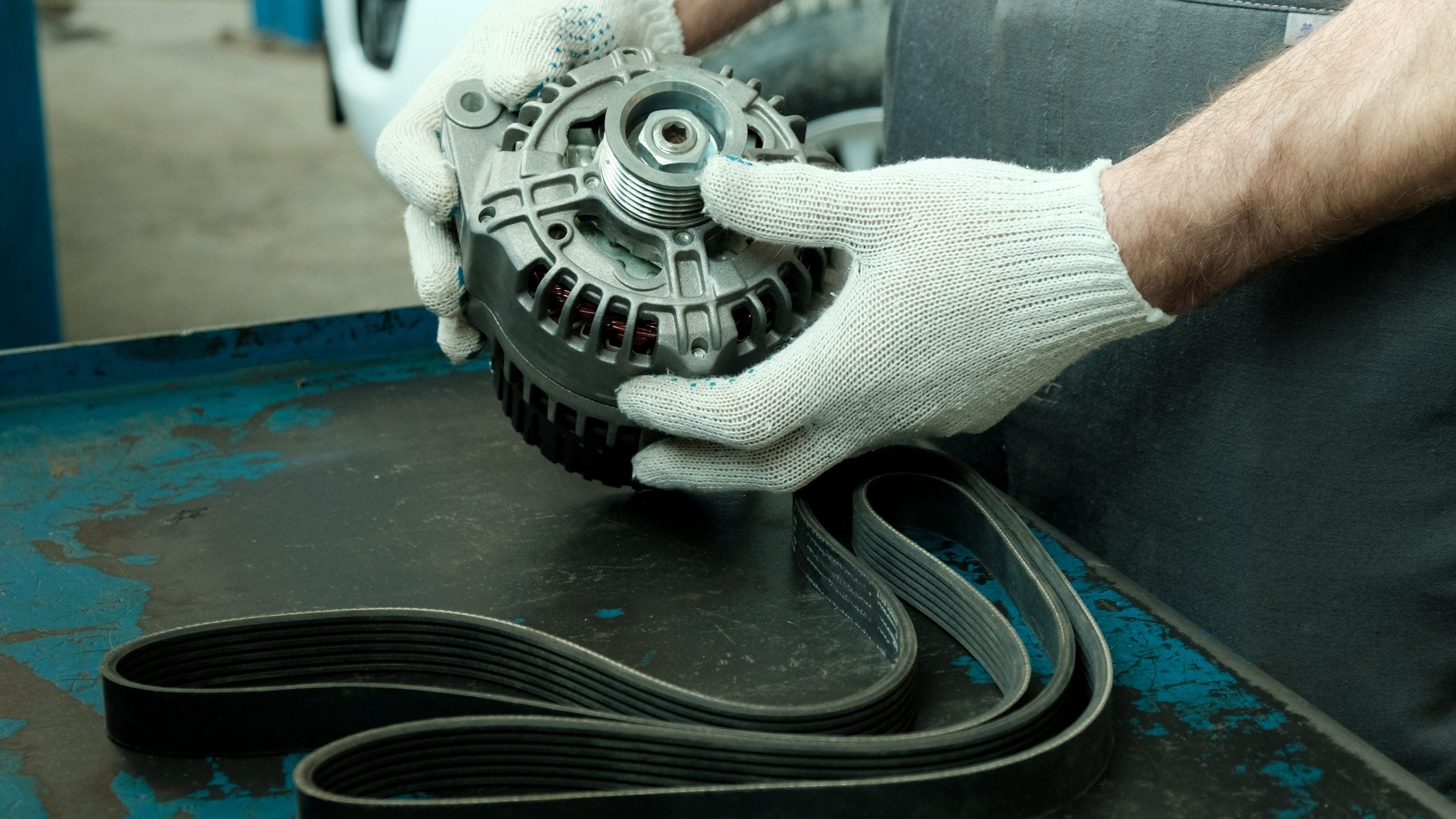
Image via Shutterstock A healthy alternator is essential for your GMC vehicle. The alternator's job is to produce electricity for your car's systems. Unfortunately, age and damage can result in problems for the alternator, and you'll need to visit your GMC dealer for a repair. These are a few signs that you may need an alternator repair. more Strange Noises The alternator produces electricity by spinning at high speed. A healthy alternator makes no sound as it works. If you start to hear grinding, squealing, or other strange noises under the hood, your alternator could be in trouble. In addition to the strange noises, your check battery light will illuminate in response to this situation. Squealing noises are usually generated by a problem with the alternator belt. The alternator belt connects to the crankshaft. As the crankshaft turns, the belt runs across the alternator pulley, which spins in response, and powers the alternator. Over time, the belt can slip partially out of its groove, and this will cause a loud squealing sound. We'll examine your alternator belt and reposition it if necessary. Damaged Battery It may sound strange, but a failing battery can very easily cause your alternator to fail, too. As we've seen, the alternator's primary responsibility is to provide power for your car's electrical systems. Its secondary function is to recharge the battery. The recharging process begins as soon as your engine is running. The alternator will send a full-strength charge to the battery for approximately five minutes, then switch to a recharging rate of 10% of battery capacity. The reduced charging level is necessary to prevent damaging the battery and alternator. A damaged battery won't send the confirmation signal, and the alternator will continue to try and recharge it at full power. The battery light will light up to warn there's a problem. We'll replace your battery and test the alternator for signs of damage. Electrical Failures When an alternator reaches a certain age, it starts to slow down due to its worn components. This slowdown isn't a problem initially, as an alternator produces more electricity than your GMC requires. As time passes, the steadily reducing electrical supply will start to cause problems. One of the first signs that something is wrong is the appearance of random electrical failures. The lack of an adequate electricity supply forces the available power to be shifted from component to component according to set priorities. This situation can result in your sunroof halting in mid-movement or your radio suddenly switching off. As time passes, these failures will become more frequent. We'll test your alternator and replace it if necessary. Alternator problems are usually simple and easy to fix. Call our s e rvice department today at Hart Motors GMC.

7 Signs Your GMC Vehicle Needs a Transmission Repair

It's a good idea for all drivers to learn how to detect early indications of transmission trouble. This will help your truck or SUV last longer and cost less to maintain. Here are the seven most common signs of a gearbox problem. If you ever experience one of these issues, don't hesitate to get transmission repair at your nearest GMC dealer. more Your Transmission's Whining Modern automatic transmissions may emit a whining sound when they develop a problem. This whining might indicate worn-out gears or something simpler like a faulty torque converter, blocked transmission line, or low transmission fluid. Your Gears Are Grinding Any grinding sounds of moving parts struggling against each other may also point to insufficient fluid. Grinding can also be caused by a worn transmission linkage, a dragging clutch, or rounded-out gears. If the transmission fluid appears to be topped up and in good condition and your gearbox is still grinding, it's best to have a technician take a look. Your Transmission Seems Hesitant Hesitant or delayed shifting can point to various minor issues in an automatic transmission. The most common form of this problem is when you shift from neutral into drive and there's a delay of several seconds. Once again, this problem might be caused by low or aging fluid. Delayed engagement can also result from a problem developing in the transmission's seals, bands, solenoids, filter, or pump. Your Car Refuses To Shift The proper functioning of modern transmissions requires full hydraulic pressure. A clogged filter, worn-out pump, or fluid leak may disrupt this hydraulic pressure, which could cause your gears to stick and refuse to shift. Sticking gears might also indicate more serious issues inside the planetary gear system. Your Gears Shift on Their Own Slipping gears is a rather worrying problem that usually means some of the gears have become too worn down. Most commonly, when this problem develops, the first or second gears will pop into neutral on their own. This is a dangerous problem to have and requires the immediate attention of a technician. Your Transmission Fluid's Leaking Transmission fluid is vital to the healthy functioning of any car or truck. If you ever spot a dark red or brown fluid dripping under your vehicle, you most likely have leaking transmission fluid. The leak will need to be found and fixed before the insufficiently lubricated transmission suffers any worse damage. Your GMC Dealer Finds a Problem Periodical transmission servicing is the key to keeping your gearbox in good shape for longer. Along with checking your transmission fluid, your technician can run the transmission through various tests and is likely to notice any potential problems early on. Have your transmission serviced or repaired today at Hart Motors GMC. We're a trusted local dealership with a terrific range of reliable vehicles and courteous, knowledgeable staff on hand to help.

Advice From Your GMC Dealer: Signs You Need a Brake Repair

A healthy braking system is essential for safe driving. Your brakes give you complete control over your car's speed and allow you to stop exactly when you need to. Your car's braking system requires regular servicing to keep it in good condition, as parts will inevitably wear out due to age. As your GMC dealer, we'd like to advise you on some signs that you need to visit us for a brake repair. more Your Car Pulls to One Side When your braking system is in good condition, each wheel will stop moving when you hit the brakes. If you experience your car pulling to one side when you brake, this is a sign that there's a problem with your braking system. In this situation, one of the brakes doesn't apply correctly, and your car turns in the direction of the working brake. When you apply the brake, brake fluid is pumped into the brake hoses. This fluid generates hydraulic pressure that forces the calipers to close on the wheel rotors. The calipers generate friction against the rotors, which causes the wheels to stop moving. A damaged or jammed caliper may not close on its rotor, and the wheel will continue to move. We'll identify the cause of the problem and repair it. Screeching Sounds As we saw above, the action of braking forces the calipers against both sides of each of the rotors. The calipers house the brake pads, and the brake pads generate friction that stops the movement of the rotors. The pads are covered with a 1/2" thick friction material covering that produces the required friction. The friction material wears down very slightly each time you brake. When a pad drops to 1/4" thickness, a metal spike becomes visible inside the friction material. A spike provides a warning that a pad needs replacement. The next time you brake, the spike will scratch against the rotor, which produces a loud screeching noise. When you hear this sound, it's time to visit us for replacement pads. Soft Brake Pedal The braking system operates under high pressure to ensure your brakes work as speedily and efficiently as possible. When you step on the brake pedal, you'll feel resistance from the pressurized brake fluid. The resistance from the fluid increases as you apply more pressure to the pedal. If you step on the pedal and you don't feel resistance, this is a sign of a serious problem. The lack of resistance from the pedal means that the braking system is operating at low pressure. If the braking system doesn't have enough pressure, your brakes will be slow to apply or may not apply at all. We'll examine your brakes and fix the cause of the problem. If your brakes are worn or damaged, call us right away at Hart Motors GMC.

Car AC Not Working? Visit Your GMC Dealer

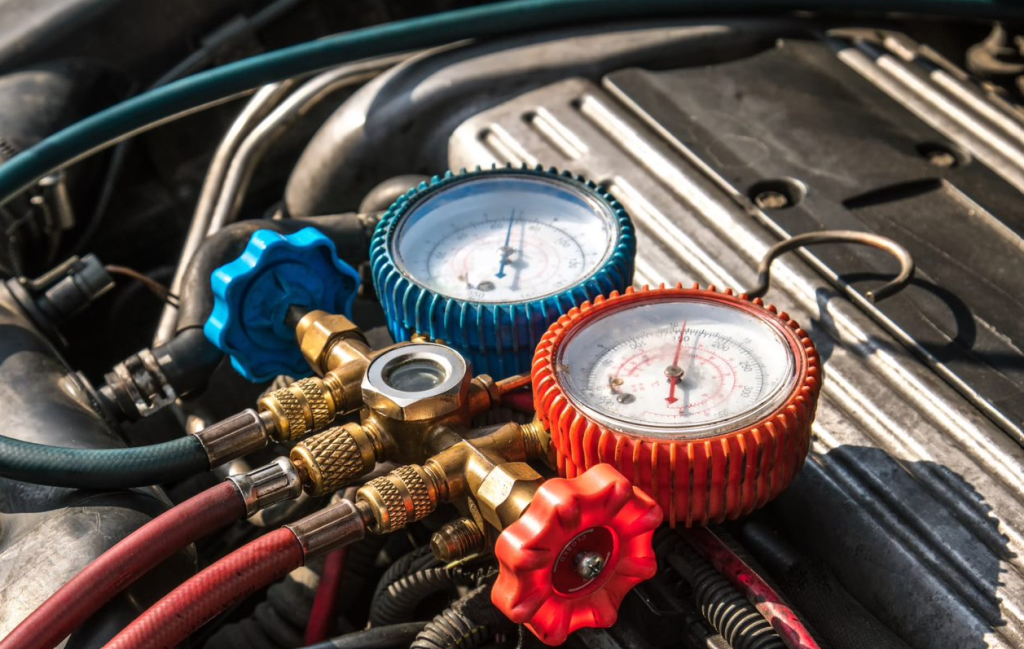
No matter what time of year it is, every driver reaches for their AC dial. Your car AC not working is a big problem, especially on a hot Virginia day. If you're in the area of Salem, VA, your GMC dealer can fix this problem for you. We'd like to tell you more about some possible AC issues we can fix. more Dripping Water in the Cabin Air flows into your car, is cooled by the refrigerant in the AC, and then blown into your cabin. This process also produces water, and this water needs to be removed from your car. Your AC's evaporator coil produces much of this water, and it collects in the evaporator heater box. A rubber drain pipe runs from this box to the outside of your car, and it's used to drain the water. This hose can become blocked by bacteria growth over the long winter months. This blockage will prevent water from draining out of your car. The water level in the heater box will increase and eventually overflow and drip on the passenger side floor. We can clear the blockage to fix the drainage problem. We'll also clean the carpet with a cleaning solution to prevent mold growth. The AC Air Doesn't Get Cold Your AC should produce cold air on demand according to the temperate you set on the dial. If you find that the air isn't getting cold regardless of the temperature setting, your AC has a problem. The two main causes of this issue are a damaged condenser and a failed compressor. These two components are responsible for changing the refrigerant that cools the air between gas and liquid states. The condenser turns refrigerant gas into a liquid and removes the heat in the process. The compressor condenses the liquid back into a gas for cooling the air. If either of these components fails, your AC won't produce cold air. A third possible problem is you have a refrigerant leak which is preventing the air from chilling. Our technicians will examine your AC and repair the cause of the problem. Leaking Refrigerant Refrigerant is the gas that chills the air in your AC system. A lack of refrigerant can only be due to a leak somewhere in the system. You can't see a refrigerant leak, as liquid refrigerant evaporates when in contact with the air. We use a special identifier dye to trace the leak. This dye is fed into the system, and our technicians track its progress with a special monitor. Once they identify the hole in the system they'll repair it If your AC seems to be on the fritz, call us at Hart Motors GMC.

Contact Us

Fill out this form below and we'll contact you shortly
*Required Fields